CEV 01478 Nos Tail Lamp Light Lens Moto Laverda Morini 1960S
fits model: Guzzi. make: Ducati.
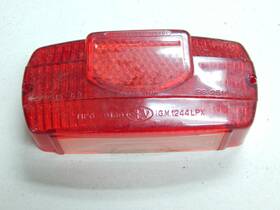
( Brand: Cev ), ( Manufacturer Part Number: 01478 ), ( Part Type: Lamp Light Len )
Review CEV Nos Tail Lamp Light Lens 1960s Moto Ducati Laverda Morini fits GUZZI
The **CEV 01478 NOS Tail Lamp Light Lens** is a meticulously preserved, factory-new-old-stock (NOS) component designed to restore or enhance the classic, retro aesthetic of vintage Italian motorcycles from the 1960s, including legendary marques like Moto Guzzi, Ducati, Laverda, and Morini. Crafted with precision and built to exacting standards, this lens is a rare find for enthusiasts seeking authenticity in their restoration projects. The lens features a sleek, rounded design typical of mid-century Italian motorcycle tail lights, with a clear, amber-tinted polycarbonate or glass material that ensures both functionality and period-correct visual appeal. Its robust construction, likely featuring a metal or reinforced plastic frame, guarantees durability while maintaining the original aesthetic integrity of the era s tail lamp assemblies. Whether used as a standalone restoration piece or paired with an original or aftermarket tail lamp housing, this lens delivers a timeless, vintage charm that instantly elevates the look of any classic Italian bike. Its NOS condition ensures that it has never been installed or used, preserving its original factory finish and ensuring a seamless fit for collectors and mechanics aiming for the highest level of authenticity. Perfect for those who appreciate the artistry of Italian motorcycle design, this lens is a must-have for anyone seeking to honor the legacy of the golden age of two-wheeled craftsmanship.
### Pros and Cons of Buying a CEV 01478 NOS Tail Lamp Light Lens (1960s Moto Guzzi, Ducati, Laverda, Morini)
---
#### **Pros**
1. **Authenticity and Rarity** A NOS (New Old Stock) tail lamp lens from the 1960s is a genuine, unmodified piece of vintage motorcycle history. These parts are difficult to find in original condition, especially for Italian brands like Guzzi, Ducati, Laverda, and Morini, which were known for their craftsmanship and collectible status.
2. **Aesthetic and Historical Value** The lens retains its original design, which contributes to the classic look of these motorcycles. For enthusiasts, restoring or replacing parts with NOS components enhances the authenticity of the bike, making it more desirable to collectors.
3. **Durability and Quality** The materials used in the 1960s were often of higher quality than modern counterparts. The glass and metal construction of these lenses were built to last, and if properly cared for, they can remain functional for decades.
4. **Increased Bike Value** Installing NOS parts on a vintage motorcycle can significantly boost its resale value, especially if the bike is part of a collection or intended for show. Buyers and collectors often pay a premium for original components.
5. **Nostalgia and Passion** For motorcycle enthusiasts, owning or restoring a bike with NOS parts is a labor of love. The satisfaction of handling a piece of automotive history is unmatched, and the process of sourcing these parts can be part of the experience.
6. **Compatibility with Restoration Projects** If you re restoring a classic motorcycle, a NOS tail lamp lens ensures that the bike remains true to its original specifications. This attention to detail is crucial for purists who prioritize historical accuracy.
7. **Potential for Resale or Trade-In** NOS parts are always in demand among collectors and restorers. If you ever decide to sell or trade the bike, having original components can make the process smoother and more profitable.
---
#### **Cons**
1. **High Cost** NOS parts, especially for rare or high-demand brands like Ducati or Guzzi, can be extremely expensive. The price may far exceed that of a modern replica or aftermarket part, making the purchase a significant financial commitment.
2. **Limited Availability** Finding a NOS tail lamp lens in the exact condition and model you need can be challenging. Sourcing may require extensive searching through auctions, private collectors, or specialized vintage parts dealers, which can be time-consuming.
3. **Potential for Counterfeit or Replica Parts** Due to their rarity, NOS parts are sometimes sold as "vintage" or "restored" when they are actually reproductions or heavily modified. It s crucial to verify authenticity through documentation, provenance, or expert inspection.
4. **Fragility and Handling Risks** Vintage glass lenses can be delicate. Transporting or handling them improperly may result in cracks or damage, rendering them unusable. Special care must be taken during purchase, storage, and installation.
5. **Compatibility Issues** While the lens may fit visually, there s a risk that it won t align perfectly with the bike s electrical system or mounting hardware. Modern wiring or brackets may not match the original setup, requiring additional modifications or adjustments.
6. **Time-Consuming Restoration or Installation** If the lens is part of a larger restoration project, the process of sourcing, cleaning, and installing it may take significant time and effort. This could delay the completion of the bike s restoration.
7. **Maintenance and Care Requirements** Vintage glass lenses may require special cleaning methods to avoid scratching or damaging the surface. Over time, they may also develop issues like cloudiness or electrical corrosion, requiring additional maintenance.
8. **Market Fluctuations** The value of NOS parts can be volatile. Prices may rise or fall based on demand, economic conditions, or the discovery of new stock. This unpredictability can make it difficult to budget for the purchase.
---
### **Conclusion**
Buying a NOS tail lamp light lens from the 1960s for a classic Italian motorcycle like a Guzzi, Ducati, Laverda, or Morini is a decision that balances passion with practicality. On one hand, the authenticity, historical value, and potential to enhance the bike s appeal are undeniable benefits. On the other hand, the high cost, rarity, and potential challenges of sourcing, verifying, and installing the part can be significant drawbacks.
For **serious collectors, restorers, or enthusiasts** who prioritize historical accuracy and are willing to invest time and money into their project, a NOS lens is a worthwhile purchase. However, for **casual riders or those on a budget**, the expense and effort may not be justified, and aftermarket or modern replicas could be a more practical alternative.
---
### **Recommendation**
- **If you are restoring a vintage motorcycle and authenticity is a priority**, and you have the budget to invest in a NOS part, proceed with caution. Verify the authenticity of the lens through trusted sellers (e.g., reputable auction houses, vintage motorcycle forums, or dealers with a proven track record). Consider having an expert inspect the part before purchase to avoid counterfeits.
- **If you are a collector or plan to sell the bike in the future**, the long-term value of NOS parts may outweigh the initial cost. However, be prepared for the possibility of price fluctuations and limited availability.
- **If you are a rider who values functionality over historical perfection**, weigh the cost against the practical benefits. Modern replicas or aftermarket parts may offer similar aesthetics at a fraction of the price, with fewer risks of compatibility or maintenance issues.
- **For beginners or those new to vintage motorcycle restoration**, start with less critical NOS parts to gauge your interest and commitment before investing in high-value components like tail lamp lenses.
Ultimately, the decision should align with your goals, budget, and tolerance for the challenges of working with vintage automotive parts. If you re passionate about preserving the legacy of these iconic motorcycles, the NOS lens is a rewarding addition but approach it with research, patience, and realistic expectations.
Details:
NOS FROM THE 60S.
part #: 01478 prices
- $40.00-$175.00
specifications cyclerearbrake:
- for models: Guzzi
- for makes: Ducati
- brand: Cev
- mpn: 01478
- part type: Lamp Light Len
shipping cyclerearbrake:
- transit: 5-11 Days
- cost: $12.00
- type: Fixed
- class: Standard
- carrier: USPS
- service: USPS Ground Advantage
seller cyclerearbrake:
- rating: 99.9%
- # reviews: 2378
- city: Mauldin, South Carolina
offer cyclerearbrake:
- started: March 28, 2026
- availability: In Stock
- sold: 0
- options: Ship-to-home
- quantity: 4
general cyclerearbrake:
- Motorcycle Scooter Parts Accessories > Lighting Lamps > Tail Brake Light Assemblies
- condition: New
payments cyclerearbrake:
- wallet: Apple-pay
- credit card: Visa
- other
returns cyclerearbrake:
- policy: Returns Accepted
- time: 30 Days
- paid by: Seller
Cev 01478 Is Similar To:
- 1730 Cev Ducati Laverda Turn Signal Nos New Lens (36.4% similar) Ducati laverda Cev turn signal nos new lens db-cycles...(March 17th, 2018)
- Lens 17741701 Taillight Morini Moto 174 Guzzi Laverda Ducati Cev Aermacc Replica (37.9% similar) Cev 174 replica taillight lens moto guzzi ducati laverda moto morini armchair does not have Cev 174 on it. Replica lens. Part number is for reference purposes only...(December 2nd, 2014)
- 19317 Cev Nos 210 217 (23.4% similar) ...(February 4th, 2018)
- 19345 Garelli Nos Cev Tail (22.2% similar) ...(February 4th, 2018)
- King 250 Cev Light Bracket Scorpion 3455.031t 34m Tail Montesa Ducati Nos (35.6% similar) Bid is for one as seen in photos. Please verify that the part will work for your machine. New home of rocky mountain Monte's parts. Monte's oem part. Part is a 10 out of 10, 10 being new and 1 being the worst condition. Monte's ducati nos 34M 250 king scorpion Cev tail light bracket P/N may fit ...(March 8th, 2015)
- 9169 Cev Nos Ducati Taillight (35.3% similar) You tell me. New old stock vintage ducati single Cev rectangular taillight assembly with mounting bracket license plate frame, in excellent condition. Original Cev red plastic lens is flawless, no chips or cracks, mounting bracket sheet metal pressing also excellent, dents dings, gloss black finish ...(June 29th, 2017)
- 9179 Cev Tail Light Lens (39.2% similar) Small 2 inch version for lightweight Italian singles. Genuine new old stock...(November 25th, 2017)
- Headlight Bulb Light Cev-157 Harley Sst Amf Davidson Nos Aermacchi Head (31.9% similar) ...(June 8th, 2015)
- V03211tail Vintage Cev 03211 Light Lens Vespa And Others Nos (33.1% similar) V03211 copped con per. This is a genuine Cev lens, from an old dealer's stock. What you see is what you get. Marked GM lox alt Cev par tart. Not a reproduction. New old stock vintage 1970 S taillight lens for Vesta scooters and other bikes of the period. Perfect for your high end restoration ...(October 31st, 2016)
- Mod 1081 Mod Cev Cucciolo Ducati (24.5% similar) This is in diameter, the box marked cyclometer ducati. Fine print due to the age, all parts older than 1990 are sold as is and do not come with a guarantee or return option. Shipping buyer pays set cost. Check my other offers for hard-to-find vintage auto and motorcycle tractor parts tools. This ...(February 12th, 2018)
- Cev 19845 Tomos Murray Tail Light Taillight Complete 19845 Garelli Puch Sachs Moped (38.2% similar) Toms Murray Cev tail light taillight complete #19845 grill pouch Sachs moped. Shipped with USPS ground advantage. Condition is used...(December 4th, 2024)