VESPA PX125 Brake Light Tail
fits make: Vespa. year: 1979.
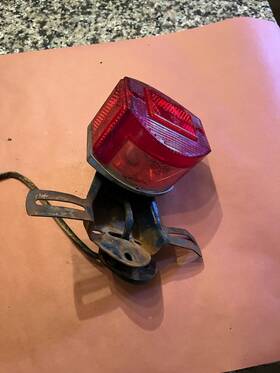
( Manufacturer Part Number: PX125 ), ( Model: 1979 VESPA PX125 ), ( Type: Brake Light Assembly ), ( Unit Type: Unit ), ( Machine Type: Scooter ), ( Country Of Origin: Italy )
Review VESPA Original Oe Complete Brake Light Tail fits 1979
The **Vespa PX125 Brake Light Tail Assembly (1979 Model)** is a meticulously crafted, period-correct component designed to restore or enhance the classic aesthetic and functionality of your 1979 Piaggio Vespa PX125. This tail light assembly features a sleek, vintage-inspired design that perfectly complements the scooter s iconic mid-century Italian styling, complete with a polished chrome or matte black finish (depending on the model variant) that gleams under the sun or blends seamlessly into a more understated look. The assembly includes a robust, amber-tinted bulb encased in a durable, transparent polycarbonate lens, which ensures optimal visibility and compliance with original specifications while maintaining the scooter s authentic charm. The mounting hardware is precision-engineered to fit securely onto the scooter s rear frame, with sturdy brackets and alignment guides that guarantee a snug, wobble-free installation. Whether you re restoring a showroom-worthy PX125 or simply upgrading a beloved classic, this brake light tail assembly delivers both form and function, ensuring your scooter not only turns heads but also meets modern safety standards with reliability. Built to withstand the elements, it combines durability with timeless design, making it an essential upgrade for any Vespa enthusiast seeking authenticity and performance.
Buying a **Vespa PX125 brake light and tail light assembly from 1979** (or a direct replacement for that era) involves weighing several factors, including availability, compatibility, cost, and practicality. Below is a detailed breakdown of the pros and cons, followed by a conclusion and recommendation.
---
### **Pros of Buying a 1979-Style Vespa PX125 Brake/Tail Light Assembly**
1. **Authentic Look and Fit**
- A genuine or period-correct aftermarket part will match the original styling of the 1979 PX125, preserving the scooter s vintage aesthetic. Many modern replacements use plastic or materials that don t replicate the chrome or metal finish of older models.
- The wiring and mounting points are likely to align perfectly with the original design, reducing the risk of compatibility issues.
2. **Reliability of Original Components**
- Older Vespa parts, especially those from the 1970s, were built with durable materials (e.g., metal housings, robust bulbs) that may outlast modern plastic alternatives. If the part is in good condition, it could prove long-lasting.
- The wiring and connectors may be simpler and more robust than modern counterparts, reducing the chance of electrical failures.
3. **Easier Restoration for Classic Enthusiasts**
- If you re restoring a 1979 PX125 to original condition, using period-correct parts is often a priority. This ensures the scooter remains true to its era, which is valuable for collectors or show vehicles.
- Some classic Vespa clubs or restorers prefer original or vintage-replica parts for authenticity.
4. **Potential for Customization**
- If you re modifying the scooter (e.g., adding LED bulbs or custom wiring), a vintage-style assembly might offer more flexibility in terms of wiring harnesses or mounting options compared to modern units that are often sealed or standardized.
5. **Resale Value for Classic Scooters**
- For a restored or well-maintained 1979 PX125, using original or vintage parts can enhance its appeal to buyers who prioritize authenticity. This may help retain or increase resale value.
6. **Availability of Bulbs and Spare Parts**
- Older Vespa bulbs (e.g., 12V incandescent) are still relatively easy to find, especially if you re willing to source from European suppliers or classic scooter parts dealers. Modern LED replacements may not always fit vintage housings perfectly.
---
### **Cons of Buying a 1979-Style Vespa PX125 Brake/Tail Light Assembly**
1. **Limited Availability and Higher Cost**
- Vintage Vespa parts, especially for specific models like the PX125 from 1979, can be difficult to source. You may need to search through classic scooter forums, eBay, or specialty dealers, which can drive up prices.
- The cost may be higher than modern aftermarket replacements, which are often mass-produced and cheaper.
2. **Potential for Wear or Damage**
- A used part from 1979 could be worn out, cracked, or damaged. The bulbs may be burned out, the wiring corroded, or the housing rusted. You ll need to inspect it thoroughly or risk buying a faulty unit.
- If the part is not in pristine condition, you may need to restore it (e.g., repainting chrome, replacing bulbs), adding to the time and effort required.
3. **Compatibility Issues with Modern Scooters**
- While the PX125 s design remained largely consistent through the 1970s, minor variations (e.g., wiring diagrams, mounting brackets) could exist between years. A 1979 part might not fit a slightly modified or later-model PX125 perfectly.
- Modern scooters often have updated electrical systems (e.g., fuses, wiring harnesses) that may not be compatible with older-style lights without additional modifications.
4. **Maintenance and Repairs**
- Older parts may require more maintenance. For example:- Bulbs may need frequent replacement (incandescent bulbs burn out faster than LEDs).
- The wiring could be prone to corrosion or brittle insulation, requiring careful handling.
- Chrome or metal parts may tarnish or rust over time, needing polishing or replacement.
5. **Electrical Compatibility Concerns**
- The 1979 PX125 likely used a simpler electrical system with fewer safety features (e.g., no modern fuse ratings, less shielding against electrical noise). If your scooter has been modified with modern components, there could be conflicts.
- The brake light switch or wiring loom might not integrate seamlessly with updated systems, requiring additional workarounds.
6. **Environmental and Safety Regulations**
- Modern vehicles (including scooters) must comply with current lighting standards (e.g., brightness, color temperature, visibility). Older lights may not meet these standards, potentially failing inspections or posing safety risks.
- Some countries require LED or energy-efficient bulbs, making vintage incandescent bulbs illegal or impractical.
7. **Time-Consuming Installation**
- Installing a vintage part may require more effort than a modern plug-and-play unit. You might need to:- Disassemble the scooter to access wiring.
- Solder or reconnect wires if the harness is damaged.
- Adjust mounting brackets or brackets to ensure a proper fit.
---
### **Conclusion**
Buying a **1979 Vespa PX125 brake/tail light assembly** is ideal if you prioritize **authenticity, classic aesthetics, and restoration integrity**. It s a great choice for collectors, restorers, or enthusiasts who want their scooter to remain true to its original design. However, it comes with challenges, including **limited availability, higher costs, potential wear, and compatibility issues** with modern systems.
If your primary goal is **functionality, ease of installation, and cost-effectiveness**, a **modern aftermarket replacement** (even if it doesn t match the vintage look) may be a better option. Modern parts are widely available, often cheaper, and designed to meet current safety standards.
---
### **Recommendation**
1. **If restoring or preserving a classic 1979 PX125:**- **Buy the vintage part** if you can find a high-quality, well-preserved unit. Prioritize sourcing from reputable classic Vespa dealers or trusted sellers on forums like **VespaForum** or **Classic Scooter Parts**.
- Inspect the part thoroughly for damage, test the bulbs, and ensure the wiring is intact. Consider restoring the chrome or metal finish if needed.
- Be prepared for additional work (e.g., wiring adjustments, bulb replacements) to ensure everything functions correctly.
2. **If the scooter is modified or used for daily riding:**- **Opt for a modern aftermarket replacement** that meets current safety standards. Brands like **Vespa, Malossi, or specialized scooter part suppliers** offer compatible units that are easier to install and maintain.
- If you still want a vintage look, look for **modern parts with vintage-style housings** (some aftermarket sellers offer these hybrids).
3. **If unsure about compatibility:**- Consult a **Vespa specialist or electrician** to assess whether the vintage part will work with your scooter s electrical system. They can help with wiring modifications if needed.
Ultimately, the best choice depends on your **priorities whether it s authenticity, convenience, or a balance of both**. For most modern riders, a functional modern replacement is practical, while purists will appreciate the effort of using a vintage part.
Details:
Complete tail / brake light assembly for 1979 Vespa PX125Note: Small crack on clear part of lenses bottom PX125.
part #: px125 prices
- $20.23-$159.05
specifications cyclerearbrake:
- for makes: Vespa
- mpn: Px125
- model: 1979 Vespa Px125
- type: Brake Light Assembly
- unit type: Unit
- machine type: Scooter
- country of origin: Italy
shipping cyclerearbrake:
- carrier: USPS
- transit: 3-8 Days
- cost: $9.52
- class: Standard
- service: USPS Ground Advantage
- type: Calculated
returns cyclerearbrake:
- policy: No Returns
general cyclerearbrake:
- Motorcycle Scooter Parts Accessories > Lighting Lamps > Tail Brake Light Assemblies
- condition: Used
payments cyclerearbrake:
- credit card: Mastercard
- other
- wallet: Paypal
seller cyclerearbrake:
- city: Canyon Lake, Texas
- rating: 99.0%
- # reviews: 733
offer cyclerearbrake:
- quantity: 0
- options: Ship-to-home
- started: April 29, 2026
- sold: 1
- availability: In Stock
Vespa PX125 Is Similar To:
- 338427 Vespa Granturismo Tail Light (32.3% similar) May or not need to be replaced. Warning: delivery companies do everything possible to incur extra fees. All engines must be shipped to a commercial address. This may or not be the fastest safest method of shipping. Used parts have the usual minor scratches and wear. This may or not be visible in the...(July 8th, 2018)
- Super 639682 58266r Gtv 300 Light Piaggio Rear 250 Gt60 Vespa Oem Tail 125 Gts (23.5% similar) New oem genuine piggier vespa rear tail light assay I have hundreds of oem and after market piggier vespa parts part VESPA125 200 cc. Vespa GTS cc. Vespa TV cc...(December 14th, 2014)
- Lamp Px Assy Oem Piaggio 638803 150 Px150 Rare Rear Tail Vespa Light (33.3% similar) ...(December 19th, 2014)
- V03211tail Vintage Cev 03211 Light Lens Vespa And Others Nos (32.2% similar) V03211 copped con per. This is a genuine CV lens, from an old dealer's stock. What you see is what you get. Marked GM lox alt CV par tart. Not a reproduction. New old stock vintage 1970 S taillight lens for vespa scooters and other bikes of the period. Perfect for your high end restoration project...(October 31st, 2016)
- Vmgt04 Vespa Piaggio Tail Brake (38.2% similar) ...(February 22nd, 2018)
- Piaggio 680256 2019-2023 Vespa Primavera 150 Rear Left Right Side Tail Light Sx Dx (30% similar) 2019-2023 piggier vespa primary 150 rear left right side tail lights set pair. Pulled from a 2022 vespa primary 150 with 16 miles...(February 11th, 2024)
- Vespa 338736 2006 06-08 Lx 150 Lx150 Oem Rear Brake Tail Light Turn Signals Lot (39.4% similar) Office use: Lr-rs 06LX150-003679...(August 12th, 2024)
- Vespa P-213 Nos Sprint Primavera 50 90 125 Rear Taillight Brake Assy Oem t01 (40% similar) What you see is what get. Some parts are from bikes taken apart previously and have been on the shelf awhile. All parts sold as is. Happy buying. This listing is for a nos vespa sprint/primary 50/90/125 taillight assembly. Still a very usable part. It is in new condition with wear as visible pics...(October 16th, 2024)
- Piaggio 1d002560 Oem Led Taillight Brake Light Assembly Vespa Gts gtv Hpe 2020-2022 (35.5% similar) 100% original vespa part by piggier. These do not fit 2019 and older or 2023 newer GTS model's. Full led taillight for the hep model's up to 2022 . Vespa oem led rear light assembly GTS hep tail super brake light,: :: original taillight assembly vespa GTS/TV/super 300 2020 - 2022...(December 8th, 2024)
- Vespa Original Oe 581634 Oem Et2 Et4 125 150 Front Right Blinker Turn Indicator Flasher (48.3% similar) 581634 oem vespa ET2 ET4 50 125 150 front right blinker turn indicator flasher, official piggier accessory. Vespa ET4 150 leader. Fits: vespa: vespa ET4 125 leader. Imported from italy. Features: front right blinker turn turns indicator front right hand side. Oem part NR: 581634. Flasher-front-right...(February 7th, 2025)
- Vespa Original Oe 581635 581636 Oem Et2 Et4 125 150 Rear Lh Left Right Turn Blinkers Set (46.6% similar) Oem part NR: 581635 581636. Vespa ET4 150 leader. Flasher-rear-LHS left right lamp clear without bulbs. Features: rear LHS left right blinker turn turns indicator hand side. 581635 581636 oem vespa ET2 ET4 125 150 rear LHS left right turn blinkers set flasher, official piggier accessory. Imported ...(February 7th, 2025)